

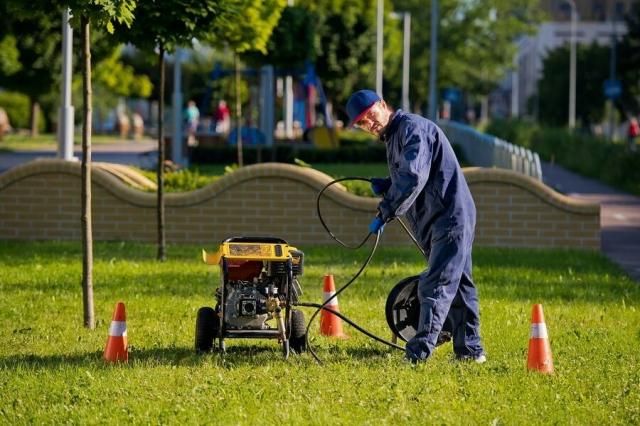
Clogged or slow drains can disrupt any home, and when these problems start showing up often, it may point to bigger issues like sewer repair in Granada Hills that can't wait. Many homeowners ignore early signs, hoping the problem will go away, but drainage issues usually grow worse when left alone. We try to keep our plumbing systems running smoothly, and spotting warning signs early can prevent expensive repairs and major water damage.
Drain trouble doesn't always begin with a full blockage. Sometimes the system sends small warnings long before anything dramatic happens. We learn to watch for these hints—slow drains, strange odors, gurgling sounds, or water pooling in places it shouldn't. Paying attention to these signals helps us protect our home and reduce long-term repair costs. Below are the top ten signs that tell you your drains may need attention right now.
1. Slow-Moving Drains
One of the most common signs is water draining slower than normal. When sinks, tubs, or showers take too long to empty, it usually means buildup is restricting the flow. Materials like soap scum, grease, food waste, and hair collect inside pipes, narrowing the pathway. If more than one drain slows down at the same time, the issue may be deeper in the system.
2. Bad Odors Coming From Drains
A foul smell from your sink or shower drain is a major warning that something is trapped or decomposing inside the pipes. Organic materials break down over time and produce gases. These odors can also signal a sewer line issue. When the smell keeps returning even after cleaning, it's time to take it seriously.
3. Gurgling or Bubbling Sounds
When drains make bubbling noises, air is trapped in the plumbing system. This happens when clogs block the normal flow and force air back up. Gurgling can also mean your main sewer line is struggling. If we hear these noises often, it usually means something is blocking the drain pathway.
4. Frequent Clogs
Clogs that keep returning are a clear sign that a deeper issue exists. While small blockages happen from everyday activity, frequent clogs mean the buildup is further down the line. These clogs may indicate roots in the sewer line, damaged pipes, or heavy debris that won't clear without professional tools.
5. Water Backing Up
Few things feel worse than seeing water rise unexpectedly from a sink, tub, or toilet. Backups happen when the drain system cannot carry water away. Dirty water returning to your fixtures is a strong sign of a serious blockage or a sewer line problem. Backups should never be ignored because they can contaminate your home.
6. Standing Water Around Floor Drains
If water pools around laundry room drains, garage drains, or basement drains, something is blocking the outlet. These floor drains usually catch dirt, soap, or debris. When they stop working, water can spread into floors and cause major property damage. We always take standing water seriously because it points to poor drainage.
7. Mold or Mildew Near Plumbing Areas
Hidden moisture suggests that water is not flowing correctly inside the system. Mold grows when moisture leaks from slow or partially blocked pipes. If we smell musty odors or see mold near drains, walls, or cabinets, it could connect to a drain problem that needs attention.
8. Multiple Clogs at the Same Time
If several drains in your home clog together, this is not a simple blockage. It's often a sign that the main sewer line is clogged or damaged. When the main line fails, water has nowhere to go and backs up into different fixtures. This is one of the strongest signs that your home's drainage system needs immediate care.
9. Unusual Lawn Changes
Sometimes drain issues show up outside the home before we notice them inside. Wet patches, soggy ground, or unusually green areas in the yard may mean wastewater is leaking underground. Sewer line leaks often cause the soil to stay damp and soft. If we see strange yard patterns, we know a buried line may be affected.
10. Higher Water Bills Without a Clear Reason
When water costs increase but our usage stays the same, it can indicate damage or leaks in the drainage system. A faulty drain line may allow water to escape underground, and we might not notice until the bill spikes. Catching this early prevents bigger structural damage and costly repairs.
Before the Conclusion
Some drain problems seem small at first, but untreated issues can create mold, odors, and water damage inside the home. We always pay attention to anything unusual because plumbing systems often warn us before failing. When we look for early signs, we're less likely to deal with emergencies. And if we ever wonder how to fix hidden plumbing leaks? we start by checking drain performance, water pressure, and any unusual moisture around pipes. Preventive awareness protects our home from sudden disasters.
Conclusion
Recognizing the early signs of drain trouble keeps your home safe, prevents expensive repairs, and protects your plumbing system from long-term damage. Slow drains, gurgling noises, repeated clogs, and strange odors all point to issues that need fast attention. When the warning signs suggest something deeper—like possible sewer line trouble—we reach out to professionals who understand how to diagnose and repair complex plumbing problems. For reliable local service and expert care, we trust our experienced team from Express Plumbing and Rooter to keep our systems running smoothly.
FAQs
1. Why do my drains clog so often?
Frequent clogs can come from buildup inside pipes, damaged sewer lines, or root intrusion. A full inspection helps find the real cause.
2. What causes bad smells in my drains?
Odors usually come from trapped waste, bacteria growth, or sewer line issues. Cleaning helps only if the problem is shallow.
3. Are slow drains a serious issue?
Yes. Slow drains often signal deeper blockages that can turn into backups or pipe damage if ignored.
4. Can yard changes really indicate sewer problems?
Yes. Soft soil, wet spots, or lush green patches can mean wastewater is leaking underground.
5. When should I call a professional?
Call when multiple drains clog at once, when backups occur, or when problems come back after cleaning.